
Last Updated: October 24, 2026
Quick Summary
You can speed up recovery with regenerative therapy by following your aftercare instructions exactly, understanding the recovery timeline, and using physical therapy to guide healing. Timing your return to exercise, supporting sleep and protein intake, cutting out smoking and alcohol, and tracking progress with your clinician all help your body keep more of the repair.
- Keep the treatment area clean and dry and avoid hot tubs and saunas for the first 48 hours.
- Most patients notice early changes within a few weeks, while full results often take several months.
- Start with gentle range-of-motion work before adding light resistance and functional movement.
- Aim for 7-9 hours of sleep and spread protein across meals to support tissue repair.
- Rate pain from 0 to 10 each morning and bring your log to follow-up visits.
Table of Contents
- How Regenerative Therapy Works and What Recovery Really Means
- 1. Follow Your Regenerative Therapy Aftercare Instructions Exactly
- 2. Understand the Regenerative Therapy Recovery Timeline Before You Start
- 3. Use Physical Therapy After Regenerative Treatment to Guide Healing
- 4. Time Your Return to Exercise After Regenerative Therapy
- 5. Support Healing With Sleep, Protein, and Steady Blood Sugar
- 6. Cut Out What Slows Healing: Smoking, Alcohol, and Anti-Inflammatories
- 7. Track Progress and Report Changes to Your Clinician
- Frequently Asked Questions
How Regenerative Therapy Works and What Recovery Really Means
Regenerative therapy is a medical approach that supports your body’s own repair processes, using treatments like stem cells, exosomes, and hormone therapy to help damaged tissue heal. At The Dynamic Care Clinic, we explain it this way: the treatment starts the repair, but your daily habits decide how much of that repair you actually keep.
That distinction matters. Many people assume the injection or procedure does all the work. It doesn’t. Recovery is an active process, and the choices you make in the weeks after treatment shape your outcome.
Below, we’ll show you exactly how to speed up recovery with regenerative therapy, using seven steps we walk patients through before and after treatment.
The difference between stem cells, exosomes, and hormone therapy
These three treatments work differently, and patients often confuse them.
- Stem cells are living cells that can develop into different tissue types and release signals that recruit your body’s repair cells.
- Exosomes are tiny particles released by cells that carry proteins and genetic messages to other cells, helping coordinate healing without adding new cells.
- Hormone therapy uses bio-identical hormones to restore balance, which supports tissue repair, energy, and overall function.
If you want to understand the treatment options in more detail, you can explore regenerative therapy services, learn about stem cell therapy, read about exosome therapy, or review hormone therapy.
Most patients benefit from a combination, not a single approach. A proper consultation should map your health history to the right mix.
1. Follow Your Regenerative Therapy Aftercare Instructions Exactly
Aftercare instructions exist for a reason: they protect the treatment site and give healing a clean start.
A common mistake is treating aftercare as optional. Skipping a restriction for a day or two can undo weeks of progress. Follow the rules your clinician gives you, even when you feel fine.
Typical aftercare guidance includes:
- Keep the treatment area clean and dry for the first day or two
- Avoid hot tubs, saunas, and long baths for the first 48 hours
- Skip strenuous activity for the first few days
- Watch for swelling, redness, or fever and report it right away
Watch out: taking anti-inflammatory pain relievers without asking first can blunt the early healing response these treatments rely on.
For Appointments Call: 253-509-0424 →
2. Understand the Regenerative Therapy Recovery Timeline Before You Start
The regenerative therapy recovery timeline is not a single date. It’s a series of phases, and knowing them helps you plan work, travel, and exercise.
Most patients move through three broad stages:
- First 1-2 weeks: mild soreness and swelling; keep activity light
- Weeks 2-6: gradual return to normal movement as tissue responds
- Months 2-6: continued improvement, with results building over time
Many patients notice early changes within a few weeks. Full results often take several months, and the pace varies by treatment, injury, and overall health. Ask your clinician for a realistic timeline for your specific case before you commit.
3. Use Physical Therapy After Regenerative Treatment to Guide Healing
Physical therapy after regenerative treatment turns healing into function. A therapist guides you through safe movement that builds strength without overloading the treated area.
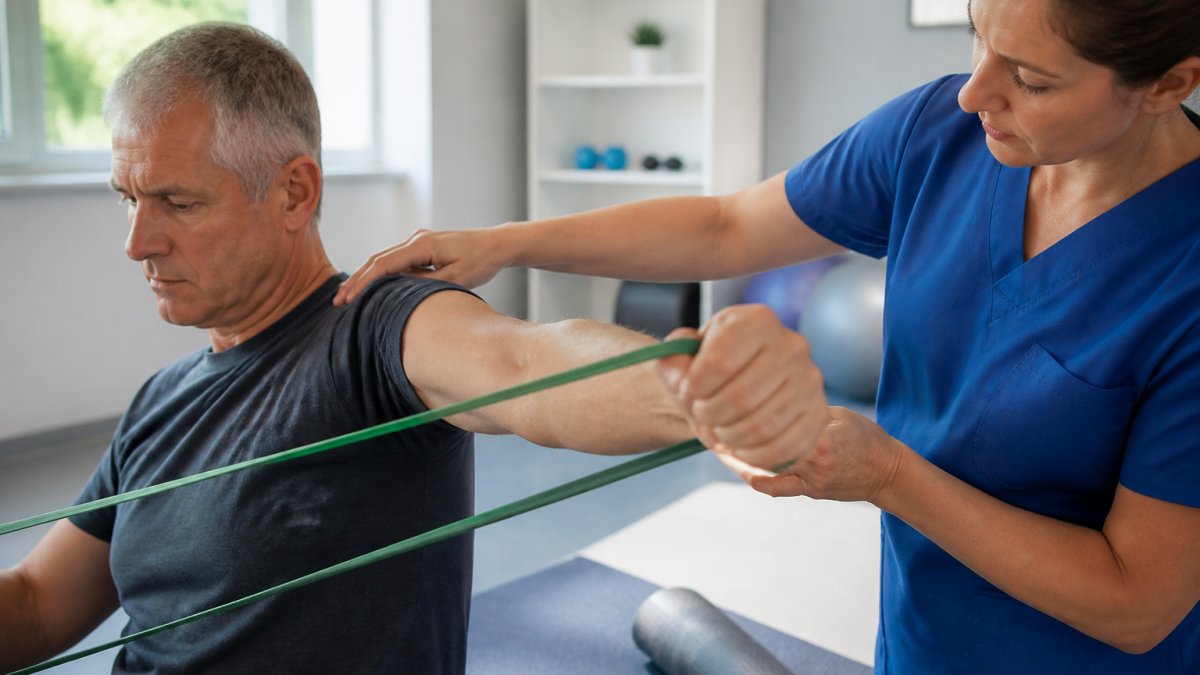
The timing matters more than the intensity. Starting too hard too soon can irritate the tissue. Starting too late lets stiffness set in. Your therapist should coordinate with your clinician so both are working from the same plan.
Most programs start with gentle range-of-motion work, then add light resistance, then progress to functional movement. Expect a slow build, not a sprint.
4. Time Your Return to Exercise After Regenerative Therapy
Return to exercise after regenerative therapy should be gradual, guided by your clinician, and based on how your tissue responds, not on a calendar alone.
A common mistake is testing the treatment with a hard workout to see if it “worked.” That’s the fastest way to set recovery back.
Use this rough framework as a starting point, then adjust with your care team:
| Phase | Activity Level | What to Avoid |
|---|---|---|
| Days 1-3 | Rest and light walking | Lifting, running, twisting |
| Week 1-2 | Gentle range of motion | Heavy loads, impact sports |
| Weeks 3-6 | Light resistance training | Max effort, competition |
| Month 2+ | Gradual return to full training | Sudden jumps in volume |
If you’re an athlete or returning to sport, our guide on regenerative medicine for sports injuries walks through a more detailed return plan.
5. Support Healing With Sleep, Protein, and Steady Blood Sugar
Tissue repair happens mostly while you sleep. Poor sleep slows healing, and so does a diet low in protein.
A common approach is to focus on three basics:
- Sleep: aim for 7-9 hours and keep a consistent schedule
- Protein: spread protein across meals to support tissue repair
- Blood sugar: keep it steady with whole foods and fewer refined carbs
These habits don’t replace treatment, but they give it better conditions to work with. Patients who prioritize them often report feeling more energy and steadier progress.
For Appointments Call: 253-509-0424 →
6. Cut Out What Slows Healing: Smoking, Alcohol, and Anti-Inflammatories
Smoking, heavy alcohol use, and unnecessary anti-inflammatory use are three of the biggest drags on recovery. Each one interferes with blood flow or the healing signals your body relies on.
What most guides miss is how much these habits compound. A smoker who also drinks heavily and takes pain relievers daily is fighting the treatment on three fronts at once.
If you smoke, talk to your clinician about support to cut back, even temporarily. If you drink, keep it minimal during the recovery window. And always ask before taking anti-inflammatories, since some can interfere with the early healing response.
7. Track Progress and Report Changes to Your Clinician
Tracking progress turns vague feelings into useful information. Note pain levels, range of motion, sleep quality, and energy each week.
A simple log works:
- Rate pain from 0 to 10 each morning
- Note which movements feel easier or harder
- Record sleep hours and any new symptoms
- Bring the log to follow-up visits
Watch out: sudden increases in pain, swelling, or redness are not normal progress. Report them promptly rather than waiting for your next appointment.
According to MedlinePlus guidance on wound healing, proper follow-up care and reporting changes help catch problems early. The CDC’s information on healthy sleep also explains why rest supports recovery, and the National Institutes of Health overview of regenerative medicine covers how these treatments are still evolving.
Recovery from regenerative therapy rewards patience and consistency more than any single trick. If you’re tired of guessing what your body needs, we can help you build a plan that fits your health history and goals. The Dynamic Care Clinic offers personalized care plans, a natural and minimally invasive approach to healing, and expertise in regenerative medicine and bio-identical hormones. Get started with The Dynamic Care Clinic and give your body the support it needs to restore function and vitality. Call 253-509-0424 to schedule your consultation.
Frequently Asked Questions
How long does recovery take after regenerative therapy?
The regenerative therapy recovery timeline varies by treatment type, the area treated, and your overall health. Many patients notice early changes within a few weeks, while tissue remodeling can continue for several months. Injections into tendons or joints often follow a pattern of mild soreness first, then gradual improvement. Your clinician should give you a timeline specific to your procedure and explain which sensations are expected and which warrant a call.
What should I avoid after a regenerative therapy procedure?
Common aftercare guidance includes avoiding smoking and heavy alcohol use, skipping strenuous activity for the period your clinician sets, and checking before taking anti-inflammatory medications, since some may work against the intended inflammatory response. Avoid hot tubs, saunas, or prolonged heat on the treated area for the first few days if your clinic advises it. Always follow the written instructions from your own provider, because restrictions differ by treatment and body area.
Can physical therapy help after regenerative treatment?
Physical therapy after regenerative treatment can support recovery by restoring range of motion, rebuilding strength around the treated tissue, and correcting movement patterns that contributed to the injury. The timing matters: starting too aggressively can irritate healing tissue, so your physical therapist should coordinate with your regenerative clinician. A phased program that begins with gentle movement and progresses to loading is typically safer than jumping straight back into old routines.
When can I return to exercise after regenerative therapy?
Return to exercise after regenerative therapy depends on the treatment site and type. Light walking is often fine within days, while resistance training or high-impact activity may wait several weeks. Ask your clinician for specific milestones rather than a single date, such as pain-free range of motion or the ability to perform daily tasks without flare-ups. Progressing gradually and reporting any spike in pain helps you avoid setbacks.

Recent Comments