
Last Updated: November 13, 2026
Quick Summary
Preparing for your first exosome therapy session means confirming appointment logistics and forms a week ahead, reviewing all medications, supplements, and allergies with your clinician, and avoiding alcohol for 24 to 48 hours before treatment. The day before, wash gently with a mild cleanser and skip oils, actives, and shaving on the treatment area.
- Avoid alcohol for 24 to 48 hours before treatment to reduce bruising and support healing.
- Skip retinoids, exfoliating acids, and harsh scrubs on the treatment area for several days.
- Do not shave, wax, or pluck the treatment area within 24 hours unless your clinic says otherwise.
- Numbing cream, if injections are planned, usually takes 20 to 30 minutes to work.
- Postpone your session if you have an active infection, fever, or recent sunburn in the treatment area.
Table of Contents
- What to Know Before Your First Exosome Therapy Session
- Your Pre-Treatment Checklist: What to Do the Week Before
- The Exosome Hair Therapy Procedure Step by Step
- When to Wash Hair After Exosome Treatment and How to Care for Your Scalp
- Exosomes Hair Treatment: How Many Sessions Will You Need?
- Safety, Evidence, and When to Postpone Your Session
- Booking Your First Session at The Dynamic Care Clinic
- Frequently Asked Questions
What to Know Before Your First Exosome Therapy Session
Preparing for your first exosome therapy session starts with understanding what the treatment is and what it can realistically do. You can explore exosome therapy at our clinic to see what they offer. (Source: National Institutes of Health (NIH) overview of extracellular vesicles)
Here is the short version. Exosomes carry proteins and genetic material that help cells communicate.
Most people arrive with two questions. Will this help me? And what do I need to do first?
Below, we cover both, plus a week-by-week checklist, what to ask at your consultation, and when you should delay a session.
How Exosome Treatment Works in Plain Terms
Exosomes are small messengers released by cells. They do not replace cells. Instead, they carry signals that may help nearby tissue respond and repair.
Who Is a Candidate and What Outcomes to Expect
A good candidate is generally an adult with a clear goal, such as hair restoration or skin texture, and no active infection in the treatment area.
Outcomes vary. Results for any treatment vary, and changes in hair growth or skin often take time to appear.
No treatment works for everyone. A health history review with a qualified provider helps determine whether exosome therapy is a sensible option for an individual.
Your Pre-Treatment Checklist: What to Do the Week Before
Preparation for a first exosome session is not one task, it is a sequence. The most common mistake is treating it as an afterthought the morning of the appointment. A better approach is to split preparation into three windows: the week before, the day before, and appointment day. Our guide to preparing for your first regenerative medicine appointment walks through how to prep.
The Week Before: Reduce Risk and Confirm Logistics
This window is about removing variables that could complicate the session or muddy your results.
- Confirm your appointment time, arrival window, and parking or entry instructions with the clinic
- Complete any intake forms and upload relevant medical records in advance
- Review every prescription, over-the-counter drug, supplement, and topical product with your clinician
- Disclose allergies, especially to lidocaine, adhesives, latex, or skincare ingredients
Watch out: Patients often assume that because a supplement is “natural” it is safe to continue. High-dose fish oil, ginkgo, garlic, turmeric, and vitamin E can all increase bleeding or bruising risk with microinjection. Disclose them and let the clinician decide.
The Day Before: Skin, Scalp, and Sleep
The day before is about arriving with calm, clean tissue and a clear head.
- Wash your hair or skin gently with a mild cleanser, no scrubs, no exfoliation
- Avoid oils, serums, heavy moisturizers, and styling products on the treatment area
- Do not shave, wax, or pluck the treatment area within 24 hours unless the clinic instructs otherwise
- Eat a normal meal and stay hydrated; avoid heavy alcohol
- Get a full night of sleep, fatigue can heighten sensitivity and slow recovery
Appointment Day: Arrive Ready
- Eat a light meal unless the clinic has told you to fast
- Drink water, hydration supports comfortable treatment and recovery
- Arrive with clean hair or skin and no product on the treatment area
- Wear comfortable clothing that allows easy access to the treatment site
- Bring a list of medications, supplements, allergies, and past reactions
General Advice vs. Clinic-Specific Instructions
General guidance is a starting point, not a substitute for your clinic’s protocol. Delivery method changes preparation. Topical application may require only clean skin. Microneedling often calls for avoiding actives for several days. Microinjection may require a longer pause on blood thinners and a plan for bruising. If your clinic’s instructions conflict with anything above, follow the clinic.
Medications, Supplements, and Allergies to Review
Tell the clinic about everything you take: prescriptions, over-the-counter drugs, supplements, and topical products. Blood thinners and anti-inflammatory drugs can raise bruising risk with injection. Some supplements, such as high-dose fish oil or ginkgo, may do the same. Do not stop anything on your own. The clinician will tell you what to pause and for how long.
Scalp and Skin Preparation: Cleansing Without Irritation
A clean scalp or clean skin helps the exosome solution reach the treatment area and lowers the chance of irritation. Wash gently with a mild cleanser. Skip oils, serums, and styling products on the day of treatment, residue, dirt, and oils can sit on the surface and interfere with absorption.
Preparation happens in three windows, and each one has its own tasks.
| Window | What to do |
|---|---|
| The week before | Confirm appointment, forms, medications, allergies, alcohol, actives |
| The day before | Gentle wash, no oils or actives, no shaving, sleep well |
| Appointment day | Light meal, water, clean skin, comfortable clothing, arrive early |
The Exosome Hair Therapy Procedure Step by Step
Most sessions follow a predictable sequence. Knowing the steps eases nerves.
- We review your health history and confirm your goals.
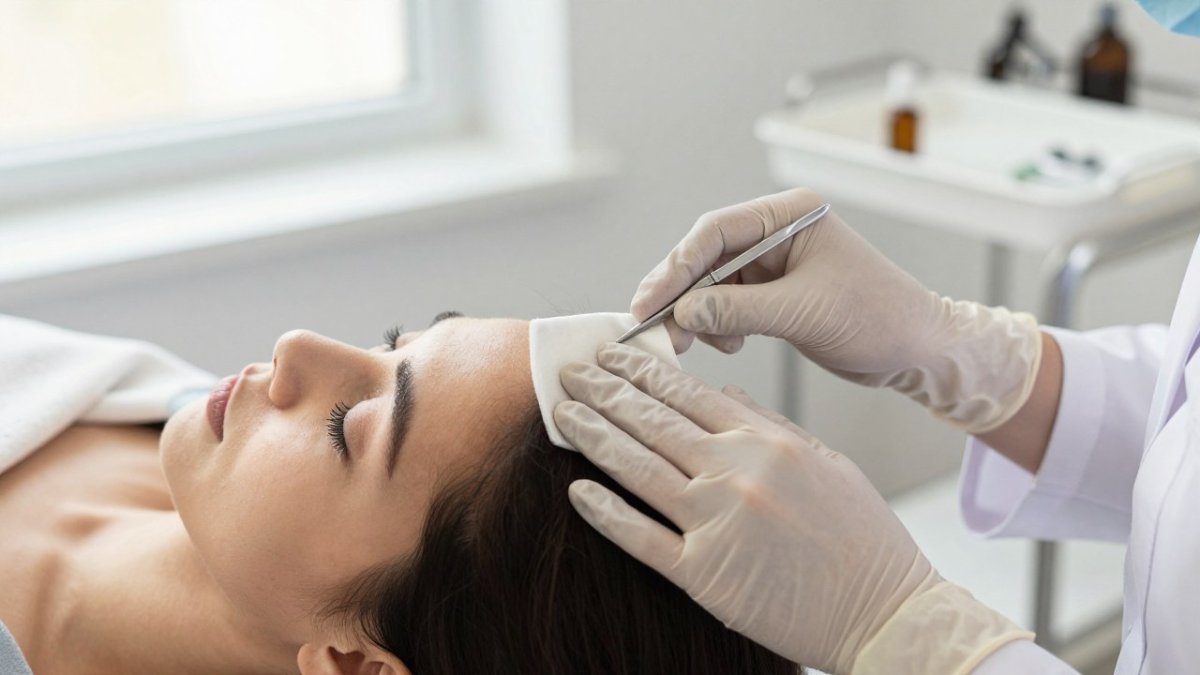
- The clinician cleans the treatment area.
- Numbing cream is applied if injections are planned. This usually takes 20 to 30 minutes to work.
- The exosome solution is prepared.
- The clinician delivers it by microinjection, microneedling, or topical application.
- The area is cleaned and aftercare instructions are given.
(/7-facts-insurance-covers-exosome-therapy/2026/) explains what to check before you commit.
When to Wash Hair After Exosome Treatment and How to Care for Your Scalp
Follow the specific post-treatment washing instructions you are given by your clinician, as wait times vary.
After that, care is simple:
- Use a mild shampoo
- Avoid harsh scrubs and hot water
- Skip oils and heavy products for a few days
- Do not scratch or pick at the scalp
- Protect the area from direct sun
Mild redness or tenderness can happen and usually settles. If you notice spreading redness, swelling, or fever, contact the clinic promptly.
For ongoing scalp and hair care, our healthy hair and scalp guidance covers daily habits that support the treatment area.
Exosomes Hair Treatment: How Many Sessions Will You Need?
There is no single number. Session count depends on your goal, the delivery method, and how your tissue responds.
The number of sessions depends on your goals, the delivery method, and how your tissue responds. Your provider can outline a recommended schedule during your consultation.
Safety, Evidence, and When to Postpone Your Session
Exosome therapy carries potential risks, and the evidence is still developing. Saying that plainly is more useful than promising outcomes. Informed decisions beat hopeful ones, and a first session is the right time to set realistic expectations.
What the Evidence Does and Does Not Show
Exosomes are an active area of research. Readers should understand that response varies from person to person and that no treatment is a guaranteed fix. Ask your clinician what evidence they rely on for your specific concern, and be wary of anyone who promises a defined result.
Product Sourcing and Regulatory Status
Not every exosome product on the market is held to the same standard. Purity, storage, handling, and sourcing all affect quality, and regulatory status varies. Ask direct questions before treatment:
- What product is being used, and where does it come from?
- How is it stored and handled before my session?
- What is known about its safety profile?
- Is the product cleared or approved for this use, and if not, what does that mean for me?
The FDA guidance on regenerative medicine is a useful starting point for understanding how these products are regulated. A clinician who welcomes these questions is a better sign than one who deflects them.
Typical Side Effects and Recovery
Any procedure that breaks the skin or is applied to the scalp can cause side effects, including redness, swelling, or tenderness. Discuss possible risks and expected recovery for your specific situation with a qualified provider.
When to Postpone or Call the Provider
Postpone your session and contact the clinic if you have:
- An active skin or scalp infection, cold sore, or open wound in the treatment area
- A fever, flu, or other illness
- A recent sunburn, chemical peel, or waxing in the treatment area
- A new medication or supplement that has not yet been reviewed
- An allergic reaction or unusual skin response since your consultation
Watch out: Do not “push through” a session while sick or while the treatment area is irritated. Treating inflamed or infected tissue can worsen the problem and complicate healing. Rescheduling is almost always the safer choice.
Questions to Ask Before You Proceed
A good consultation should feel like a conversation, not a sales pitch. Ask what the evidence is for your case, which delivery method is recommended and why, how many sessions are likely, what results timeline to expect, what the side effects and recovery are, what it costs and whether insurance applies, and what happens if you do not respond.
Booking Your First Session at The Dynamic Care Clinic
Preparation is mostly about honesty and small habits. Share your full health history with your provider, follow the checklist, and ask questions.
At The Dynamic Care Clinic, Dr. You can explore exosome therapy at our clinic to see what a first visit involves.
Ready to take the next step? Call 253-509-0424 to schedule a consultation.
Frequently Asked Questions
How long does it take for exosomes to start working?
There is no single timeline that applies to everyone. Some patients notice early changes in skin texture or scalp comfort within a few weeks, while hair growth and tissue repair typically take longer because they depend on your body’s own healing response. Your provider can give you a realistic results timeline based on your health history, the treatment area, and the delivery method used. Ask at your consultation what signs to watch for and when to expect a follow-up assessment.
When can I wash my hair after exosome treatment?
Follow the specific washing instructions your clinician gives you, as the wait time can vary by treatment method.
What questions should I ask before exosome therapy?
Ask what product or exosome solution will be used and where it comes from, whether the clinic follows any regulatory or safety standards, and what evidence supports the treatment for your specific concern. Confirm the number of sessions recommended, the spacing between them, and the total cost. Also ask about side effects, recovery time, what to avoid before and after, and what results are realistic for someone with your health history. A good provider welcomes these questions.
How many exosome therapy sessions are needed for hair loss?
The number of sessions varies by person and by protocol. The number of sessions depends on the cause and stage of your hair loss, your overall health, and how your scalp responds. Your provider will outline a plan. Ask for the planned schedule in writing at your consultation so you can budget time and cost before you begin.

Recent Comments